

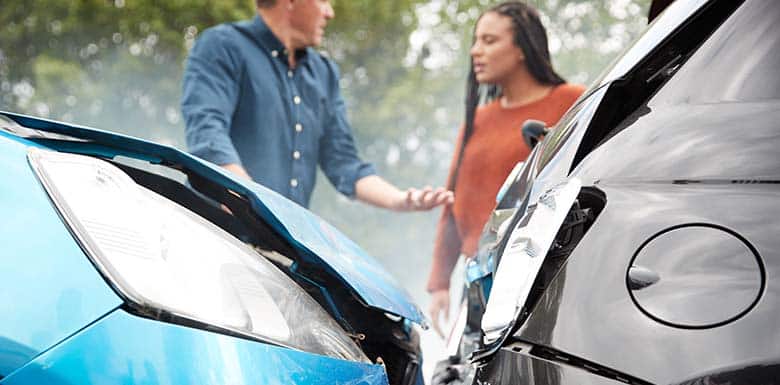
After a car accident in New Mexico, determining who caused the crash is essential for recovering compensation. The at-fault driver’s insurance typically pays for medical bills, vehicle repairs, and other losses. Understanding how New Mexico’s fault-based system works can help protect your rights and maximize your claim.
Key Takeaways
- New Mexico is an at-fault state — the driver who caused the accident is financially responsible for damages through their insurance.
- Pure comparative negligence applies — you can recover compensation even if you’re partially at fault, but your award is reduced by your percentage of fault.
- Multiple types of evidence determine fault — police reports, witness statements, photos, traffic camera footage, and accident reconstruction help establish liability.
- Insurance companies investigate independently — adjusters review evidence, interview parties, and determine fault percentages that may differ from police findings.
- Rear-end collisions typically favor the front driver — the following driver is usually presumed at fault unless evidence proves otherwise.
- Legal representation protects your interests — insurance companies may minimize your claim or shift blame; an attorney ensures fair fault assessment.
- Time limits apply to file claims — New Mexico gives you three years from the accident date to file a personal injury lawsuit under NMSA § 37-1-8.
Is New Mexico an At-Fault State?
Yes, New Mexico is an at-fault state for car accidents. This means the driver who caused the collision is legally and financially responsible for resulting damages. Unlike no-fault states where each driver’s insurance pays their own medical bills regardless of who caused the crash, New Mexico follows a traditional fault-based system.
Under this system, accident victims can pursue compensation directly from the at-fault driver’s insurance company. You can file a third-party claim with the other driver’s insurer or file a lawsuit if necessary. The liable party’s insurance must cover:
- Medical expenses and ongoing treatment costs
- Vehicle repair or replacement
- Lost wages and reduced earning capacity
- Pain and suffering
- Property damage
New Mexico law requires drivers to carry minimum liability insurance of $25,000 per person and $50,000 per accident for bodily injury, plus $10,000 for property damage. When the at-fault driver has insufficient coverage, you may need to use your own underinsured motorist coverage or pursue other legal options.
Understanding New Mexico’s Pure Comparative Negligence Law
New Mexico follows a pure comparative negligence rule under NMSA § 41-3A-1. This law allows you to recover damages even when you share some responsibility for the accident. Your compensation is reduced by your percentage of fault, but you’re never completely barred from recovery.
How Comparative Negligence Works
If you’re found 30% at fault for an accident and your total damages equal $100,000, you can still recover $70,000. The court or insurance company reduces your award by your fault percentage. This differs from modified comparative negligence states where being 50% or 51% at fault eliminates your right to compensation entirely.
Common scenarios where comparative negligence applies include:
- You were speeding, but the other driver ran a red light
- Both drivers failed to yield right-of-way at an intersection
- You were distracted, but the other driver was intoxicated
- Weather conditions contributed along with driver error
Insurance adjusters often try to assign higher fault percentages to claimants to reduce payouts. They may argue you were driving too fast for conditions, following too closely, or failed to avoid the collision. Having legal representation helps counter these tactics and ensures accurate fault assessment.
How Insurance Companies Determine Fault
Insurance companies conduct independent investigations to determine who caused an accident. While police reports carry weight, insurers aren’t bound by an officer’s opinion. Adjusters evaluate multiple factors:
Evidence reviewed by insurance adjusters:
- Police accident reports and citations issued
- Photos of vehicle damage, skid marks, and debris
- Witness statements from passengers and bystanders
- Traffic camera or surveillance footage
- Vehicle data from black boxes or telematics
- Medical records showing injury patterns
- State traffic laws and violations
Adjusters look for traffic violations that clearly establish fault. Running red lights, illegal turns, drunk driving, and speeding violations strongly indicate liability. However, determining fault becomes more complex in multi-vehicle accidents or when both drivers share responsibility.
The insurance investigation process typically takes several weeks. Adjusters contact all parties, review documentation, and may hire accident reconstruction experts for serious crashes. According to the Insurance Information Institute, disputed liability claims take longer to resolve and may require legal intervention.
Common Fault Scenarios in New Mexico Car Accidents
Rear-End Collisions
The following driver is typically at fault in rear-end accidents. New Mexico law requires drivers to maintain safe following distances. However, exceptions exist:
- The front driver suddenly reversed
- Brake lights weren’t functioning
- The front driver brake-checked aggressively without reason
- A third vehicle pushed you into the car ahead
Intersection Accidents
Intersection crashes involve complex fault determinations. Right-of-way violations, red light running, and failure to yield cause most intersection collisions. Traffic signals, signs, and witness testimony help establish which driver had the legal right to proceed.
Left Turn Accidents
Drivers making left turns bear responsibility in most collisions with oncoming traffic. The turning driver must yield to vehicles with the right-of-way. Exceptions apply when the oncoming driver was speeding excessively or ran a red light.
Head-On Collisions
The driver who crossed the center line typically bears full fault. Contributing factors include distracted driving, drowsiness, intoxication, or overcorrecting during evasive maneuvers.
Multi-Vehicle Chain Reactions
Chain-reaction accidents may involve multiple at-fault parties. The first driver who caused the initial impact often bears primary liability, but subsequent drivers who failed to maintain safe distances may share fault.
What Is Joint and Several Liability in New Mexico?
When multiple parties share fault for an accident, New Mexico applies joint and several liability rules. This legal principle affects how you recover compensation in cases with multiple defendants.
Under joint and several liability:
- If multiple drivers contributed to your injuries, you can collect your full damages from any defendant who’s more than 50% at fault
- Defendants less than 50% at fault only pay their proportionate share
- This protects victims when one at-fault party lacks sufficient insurance
For example, if Driver A is 60% at fault and Driver B is 40% at fault for your $200,000 in damages, you can collect the entire amount from Driver A. Driver A could then seek contribution from Driver B for their share. This rule prevents victims from going uncompensated when one liable party is judgment-proof or underinsured.
Evidence That Establishes Fault
Strong evidence is critical for proving another driver caused your accident. The Law Giant, Personal Injury & Accident Lawyers recommends collecting and preserving:
Critical evidence for fault determination:
- Police report with the officer’s fault assessment
- Photos of all vehicle damage from multiple angles
- Pictures of the accident scene, traffic controls, and road conditions
- Contact information for all witnesses
- Medical records documenting your injuries
- Your own account written while memory is fresh
- Surveillance footage from nearby businesses or traffic cameras
- Expert accident reconstruction analysis for complex crashes
New Mexico follows a three-year statute of limitations for personal injury claims. While this provides time to investigate, evidence disappears quickly. Skid marks fade, witnesses forget details, and surveillance footage gets overwritten. Acting promptly protects your claim.
Steps to Take After a Car Accident
Protecting your legal rights starts at the accident scene. Follow these steps:
- Call 911 immediately — police reports are crucial evidence, and some injuries aren’t immediately apparent
- Document everything — take photos, videos, and notes about conditions, damage, and the other driver’s statements
- Exchange information — collect names, contact details, insurance information, and license plate numbers
- Don’t admit fault — avoid apologizing or making statements about responsibility
- Seek medical attention — see a doctor even if you feel fine; delayed symptoms are common
- Notify your insurer — report the accident promptly but limit details until you consult an attorney
- Contact a personal injury lawyer — legal representation protects against lowball offers and ensures proper fault assessment
New Mexico sees thousands of crashes each year, with car accident statistics in New Mexico showing concerning injury and fatality rates.
Why Insurance Companies May Dispute Fault
Insurance companies are businesses focused on profitability. Adjusters may dispute or minimize fault determinations to reduce payouts. Common tactics include:
- Blame shifting — arguing you contributed more than evidence supports
- Questioning injury severity — claiming your injuries resulted from pre-existing conditions
- Delaying investigations — hoping you’ll accept a quick, low settlement
- Misrepresenting policy limits — claiming insufficient coverage when higher limits exist
- Using recorded statements against you — twisting your words to imply fault
Recognizing signs of lowball insurance offers helps protect your claim. Never accept the first settlement offer without legal review. Initial offers typically fail to account for future medical needs, lost earning capacity, and full pain and suffering damages.
How an Attorney Protects Your Rights
The Law Giant, Personal Injury & Accident Lawyers provides experienced representation for New Mexico accident victims. Our legal team:
- Conducts independent investigations to establish clear liability
- Gathers compelling evidence including expert testimony
- Handles all insurance company communications
- Negotiates aggressively for maximum compensation
- Takes cases to trial when fair settlements aren’t offered
- Works on contingency — you pay nothing unless we recover compensation
Legal representation is especially important when:
- Fault is disputed or shared among multiple parties
- Injuries are severe or require ongoing treatment
- The insurance company denies liability or offers inadequate settlements
- Multiple vehicles were involved
- You’re being blamed unfairly for the accident
Our firm has recovered substantial compensation for New Mexico accident victims. We understand state laws, insurance company tactics, and effective negotiation strategies. With over $1 billion won for clients, we have the resources and experience to handle complex liability disputes.
Frequently Asked Questions
Is New Mexico a no-fault accident state?
No, New Mexico is an at-fault state for car accidents. The driver who caused the collision is legally responsible for damages. Injured parties file claims against the at-fault driver’s insurance rather than their own, unlike true no-fault states where each driver’s insurance covers their own medical expenses regardless of fault.
Who is at fault if a car hits you from behind?
The rear driver is typically at fault in rear-end collisions because New Mexico law requires maintaining safe following distances. However, the front driver may share liability if they reversed suddenly, had non-functioning brake lights, or stopped abruptly without reason. Evidence and circumstances determine final fault allocation in each case.
How does an insurance company decide who was at fault?
Insurance adjusters review police reports, photos, witness statements, traffic laws, vehicle damage patterns, and sometimes accident reconstruction analysis to determine fault. They investigate independently and aren’t bound by police opinions. Adjusters assign fault percentages based on how each driver’s actions contributed to the collision under New Mexico traffic laws.
Who is usually at fault in a car crash?
Fault depends entirely on the specific circumstances and applicable traffic laws. Common at-fault scenarios include drivers who ran red lights, failed to yield right-of-way, were intoxicated, drove distracted, or violated other traffic regulations. New Mexico’s pure comparative negligence system allows both drivers to share varying percentages of fault based on their respective contributions to the accident.
Contact The Law Giant for a Free Consultation
Understanding fault in New Mexico car accidents is complex, especially when insurance companies dispute liability or multiple parties share responsibility. Don’t navigate this process alone or accept less compensation than you deserve.
The Law Giant, Personal Injury & Accident Lawyers offers free consultations to evaluate your case. We’ll review the evidence, explain your legal options, and fight for the full compensation you’re entitled to under New Mexico law. Our contingency fee structure means you pay nothing unless we win your case.
Call us today at (505) 578-5005 or visit our contact page to schedule your free consultation. Let our experienced legal team handle the insurance companies while you focus on recovery.